Showing posts with label China Mobile Gaming. Show all posts

Friday, November 24, 2017

VogaV @ China Mobile

VogaV China Mobile

Translated by Google Translate

On November 23, 2017, the annual China Mobile Global Partner officially opened in Guangzhou, continuing the strategic goal of "connecting Dalian" last year. This year's Global Partnership Conference highlighted everything under the strategy of "Dalian Connection" The concept of interconnection, with the theme of "Creating a New World with Wisdom and All Things", fully demonstrates the grand vision of a smart future. 
As an important cooperative partner of China Mobile, the Green Orange mobile phone took the VOGA series of brands participating in this conference with great attention and evaluation by virtue of the ultra-high quality-to-price ratio at this year's conference.


Compared with the previous congress, this conference includes many forums, exhibitions, signatures, series of special topics, exhibitions and many other links. For the first time, the online and offline conference has been held in a synchronized manner with a richer form and more diversified channels. The participating VOGA V laser projection mobile phone is more for the General Assembly to add a different kind of light.


The VOGA V laser projection mobile phone is the first flagship product of the VOGA series produced by Green Orange Mobile Phone. The most prominent feature is the incorporation of a laser projection module with MEMS technology that can be projected anytime, anywhere without the need Focus that is open that vote, than the traditional projection technology such as DLP more power, longer life, as well as trapezoidal automatic correction and other special features. Not only that, the orange mobile phone has also developed a VOGA UI system for it. The unique projection function keys can quickly switch projection, select the projection content, and can meet the needs of mobile KTV and multi-person code scanning. Such a special novelty projection mobile phone has attracted the attention of audiences and industry professionals from all over the world. After that, they all went to the VOGA booth to manually operate the projection mobile phone, praising it that they had not seen such an interesting product for a long time. Subsequently, the top leaders of China Mobile Group also came to the booth, while listening to technical staff to explain at the same time, personally tried the VOGA V laser projection mobile phone, and expressed his affirmation.


The conference for the first time organized the 5G Future Museum to show all the audience the latest ecological innovation achievements of China Mobile and 5G Lianchuang Partners as a new generation of cutting-edge communications technology, 5G will bring a new round of domestic mobile phone market changes and As historic moments such as opportunities, artificial intelligence, smart ecology and visual revolution are coming, VOGA, as the representative of the innovative brand, has been at the forefront of the trend and I believe we will soon see a whole new era of smart communications!

Thanks Tom

Wednesday, July 12, 2017

Why is China so so Obsessed with Mobile Gaming?

This is scraped because I didn't want to lose it. The Source is available by clicking the title.

****

Why is China so obsessed with mobile gaming?
TECH & SCI
By Natalie Pang

2017-07-09 14:54 GMT+8


Enter any Chinese subway station and you’ll see riders tapping away on their phones. They’re chatting, shopping, reading and catching up on TV. But more often than not, they’re gaming.

China’s gaming industry is big money, and especially so on the mobile platform where market share is increasing. In 2015, mobile gaming raked in some 56 billion yuan (8.2 billion US dollars), a massive increase from just 6.2 billion yuan (910 million US dollars) in 2011, according to iResearch, a Chinese research firm focused on the country’s Internet sector.

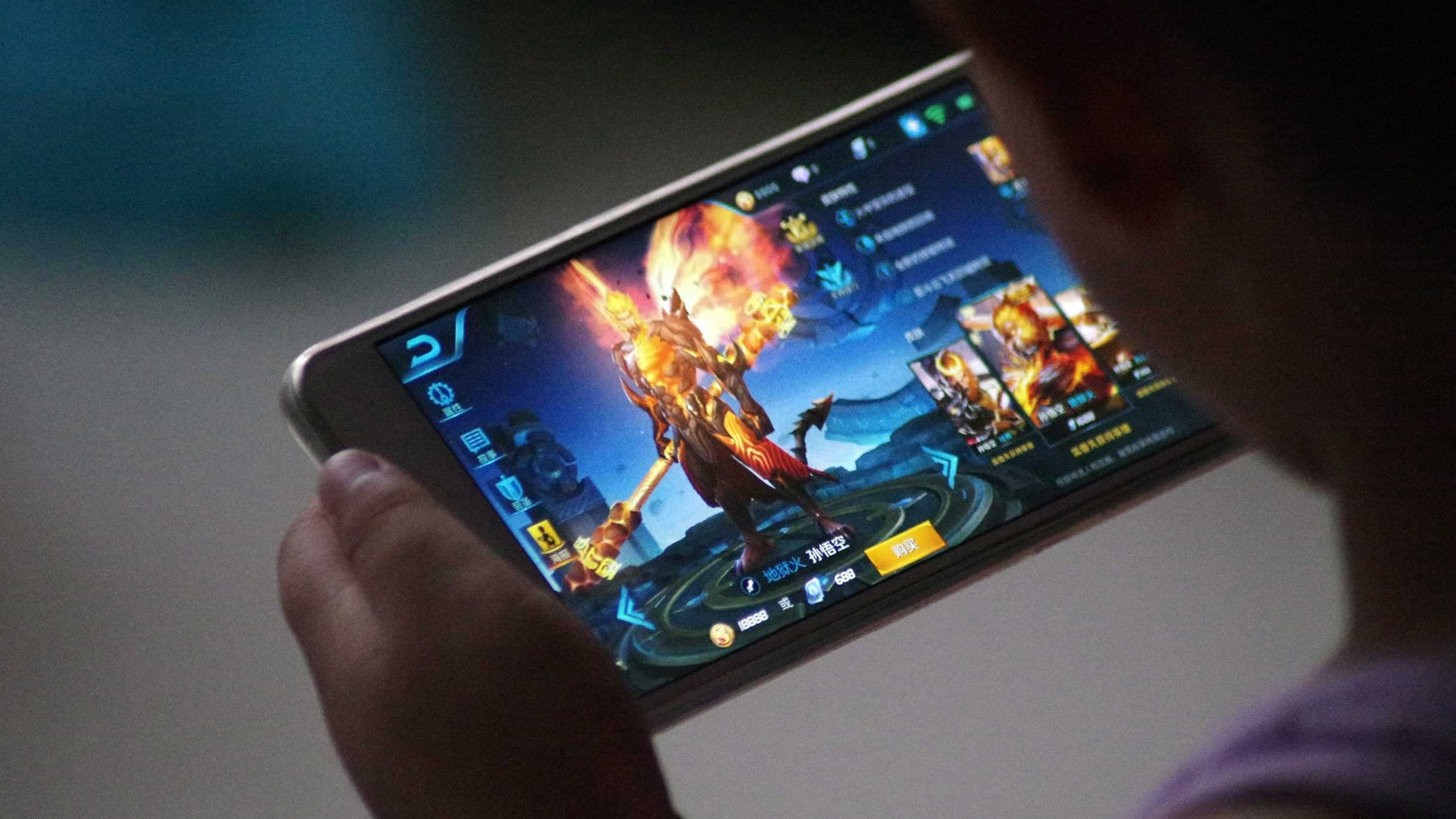
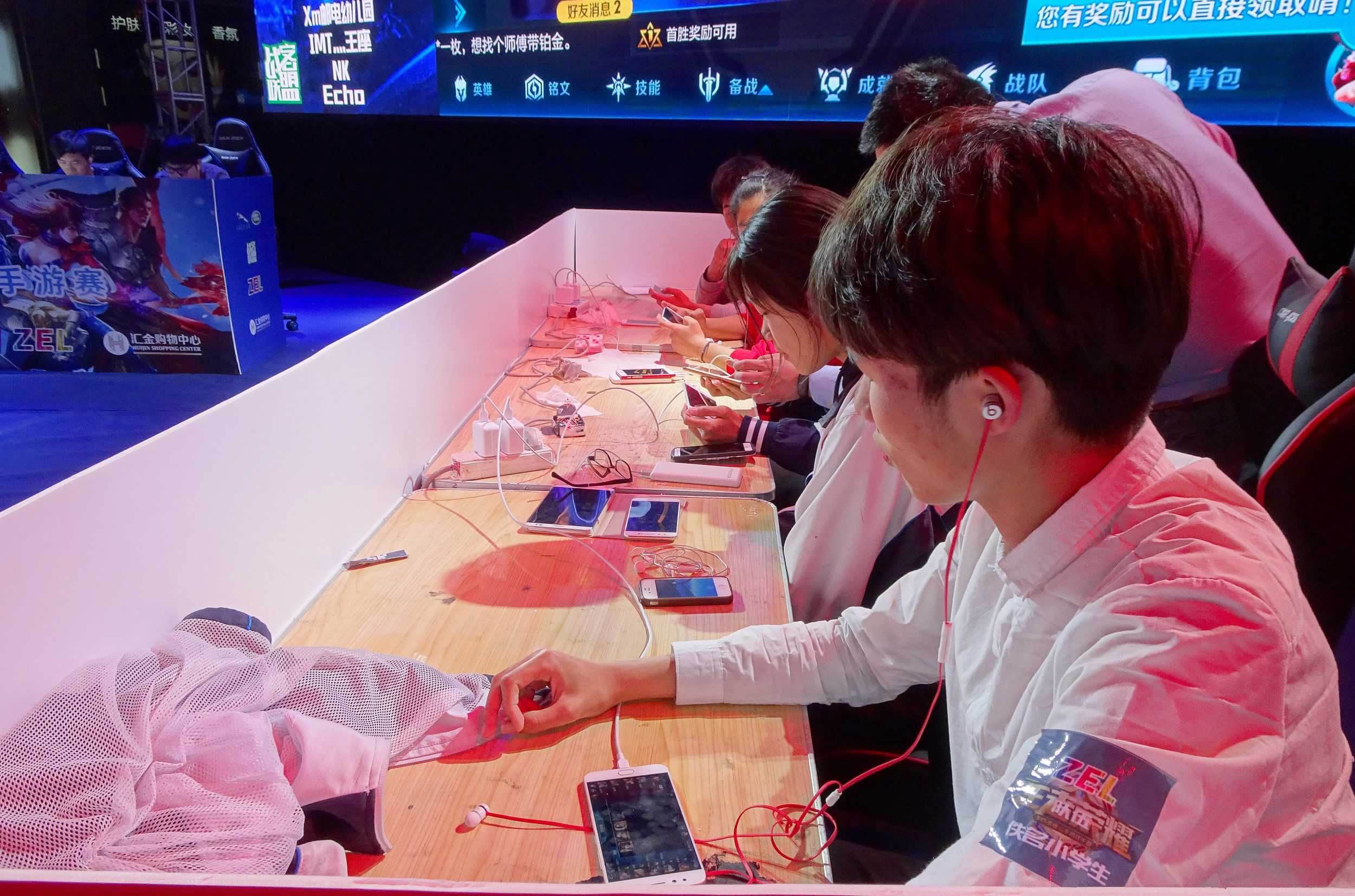
Tencent’s immensely popular mobile game Honor of Kings grew to become the highest-grossing mobile game in China on both Android and Apple’s iOS platforms. The company’s 2016 annual report showed the game had over 200 million registered users and over 50 million daily active users – about the population of South Korea. According to Chinese big data service provider Jiguang, those born after 2000 take up 23.31 percent of its user base.

Most recently, the Internet giant had to issue measures to restrict playtime for the game’s young players, after reports of addiction and all-nighter gaming marathons. So what makes it so hard for users to put their phones away?


Nothin’ better to do

"I'm out of work at the moment, so apart from when I'm eating or sleeping I play "Honor of Kings" non-stop until the system kicks me out. A rough estimate would be at least eight hours," 23-year-old Zeng Xiaoxian told Reuters.

Games like Honor of King are easy to get into. Most of them are free to download, but players are often able to pay to upgrade their characters and costumes, or help advance to the next level.

Plus, the mobile platform makes gaming so much more convenient than its console counterpart.

“First of all, I don’t need a computer to game anymore,” said 28-year-old Liang Weiyi (not his real name), a product manager at a foreign car company. “I play 'Honor of Kings' because of its integration with WeChat – you get to often play with your friends.”


"Honor of Kings" promotional image

Battling it out VR style

Some of China’s most popular games are known as Massively Multiplayer Online Role-Playing Games (MMORPGs), like Honor of Kings and World of Warcraft, and they’re just the thing driving the industry.

There are two things that make MMORPGs so enticing: the roleplaying and the sheer amount of people online to play with.

The role-play aspect makes use of a user’s creativity and imagination to create and customize characters, choose where they’ll go and pick what sort of quests to complete. In short, you can do almost anything in a game.

“Honor of King might be easy to get into, but the challenging gameplay is what makes it attractive,” said 31-year-old Zhang Yingqi. “Unlike some games where you can spend money to level up, this game requires your personal intellect and skill.”

Despite the virtual reality of things, it’s still human nature to be at the top of the pack. In a game like Honor of Kings, where users get to battle with other players and go on quests, beating out friends and those around them to be at the top of the leaderboards is something that spurs users on to play.

“Beating my opponents gives me a great sense of satisfaction,” said Zhang. “That’s because you know you’re playing against a real person."


Hello, is it me you’re looking for?

Yet it’s not merely the competitive spirit driving them. With the massive numbers in an MMORPG, users can join big guilds, do various activities within the group, maintain relations and meet new people.

“Of course, beating your friends in the game is much more satisfying than beating a stranger,” says 28-year-old Li Chaoran, an avid gamer who dabbles in other mobile games like Helix Horizon and Tap Titans. “But I think what is much more satisfying is the fact that me and my friends made use of our friendship to cooperate in a game.”

“Today, gaming allows me to improve my friendship with my old friends.”

And as much as it’s about a connection with other people, it’s also about “finding yourself”.

“For youths, one of their most important tasks is self-determination – that is to answer the question of 'who am I'”, said Dr. Lei Li, a psychology professor from Renmin University of China. “Video games allow anonymity, create an identity, and put you on equal footing with other players; and these characteristics can help fulfill the self-development that young people seek.”

“In contrast, many of those users are facing difficulties and limitations in these areas in real life," said Dr. Lei. "Hence for some people, the allure of the Internet is very large.”


The brain wants what the brain wants

The accomplishment and success felt after each quest or battle targets the brain’s reward system, releasing dopamine which gives users a sense of happiness and rush.

Over time, it is possible for the brain to release less dopamine with the same amount of activity, and this in turn spurs users to go for more play time for the same hit.

The mechanics of addiction are straightforward, but there is something often overlooked: the teenage brain is still developing.

That means parts of the brain which are responsible for decision making and impulse control are not fully formed, according to neurologist Frances E. Jensen, author of “The Teenage Brain”, often making teenagers susceptible to addiction.

Dr. Lei acknowledges the sense of accomplishment felt over the internet might not be able to carry over to real life.

“In addition to young people working hard, their family, school, and society should provide more opportunities for them to help meet their growth needs,” said Dr. Lei.